Our process
How We Restore a Fire-Damaged Home
Fire recovery follows a clear order, from securing the home to the final rebuild. Here is how our Wasilla crew works a fire loss from the first call.
Emergency Response and Board-Up
We answer fire calls day or night across the valley. We board windows and tarp the roof to secure your Wasilla home. That keeps weather, animals, and intruders out while work begins.
Assess the Full Extent
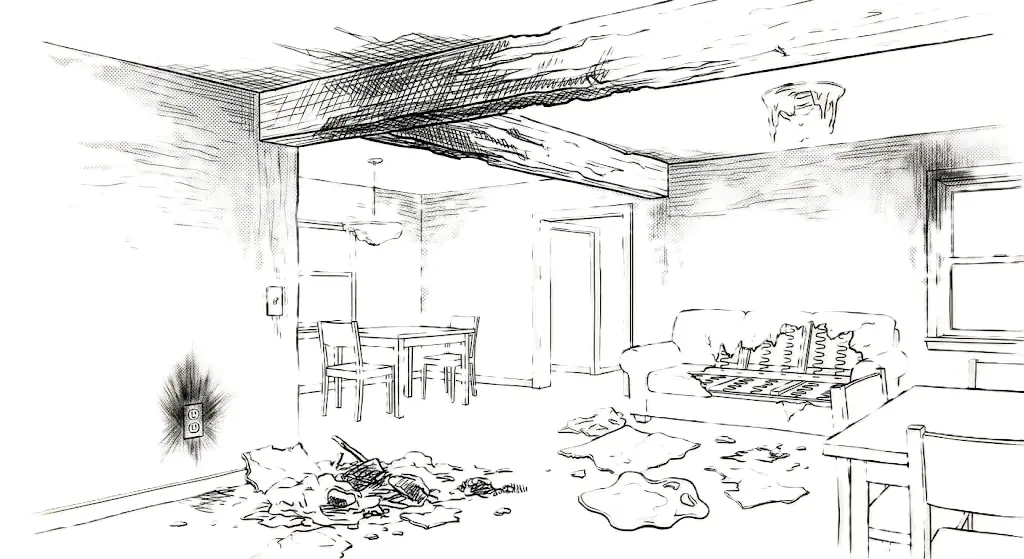
We map the fire, smoke, and water damage room by room. Smoke travels far beyond the burn, so we check the whole home. That assessment shapes an accurate plan and estimate.
Remove Water From Firefighting
Putting out a fire leaves water behind that must come out fast. We extract standing water and dry the structure. In a cold Wasilla home, trapped moisture leads to mold if it lingers.
Remove Debris and Damaged Material
We clear charred material and items that cannot be saved. Removing that debris stops soot and odor from spreading further. What is salvageable is set aside for cleaning.
Clean Smoke and Soot From Surfaces
Soot is acidic and etches surfaces the longer it sits. We work top-down from ceilings to floors so nothing recontaminates. Dry soot lifts with dry sponges, while greasy soot needs degreasers. HEPA vacuuming pulls the fine particles competitors often leave behind.
Neutralize Smoke Odor
Smoke odor works into framing, insulation, and soft goods. We treat it with source cleaning, then thermal fogging or hydroxyl and ozone. Sealed framing gets encapsulated so the smell cannot bleed back. Masking the odor is not the same as removing it.
Restore Contents and Belongings
We clean and deodorize furniture, clothing, and household items. Many belongings can be saved rather than replaced. Items that cannot be restored are documented for your claim.
Rebuild What Was Lost
Once the home is clean and dry, our own crew rebuilds it. We restore drywall, flooring, and finishes to match. Your Wasilla home goes from damaged to whole with one team.
What we handle
Fire Restoration Services We Provide
Fire damage comes in layers, and each needs its own treatment. We handle the whole recovery, not just the parts you can see.
Smoke and Soot Cleanup
We remove soot from walls, ceilings, and every affected surface. Dry, greasy, and protein soot each call for a different method. We test the residue, then dry-sponge, degrease, or wet-clean as needed. The right method saves surfaces a wrong one would ruin.
Structural Cleaning
We clean the framing, subfloor, and structure the fire touched. Smoke also rides the HVAC system and settles in the ductwork. We clean ducts and cavities so the system does not re-spread soot. Cleaning the structure protects the rebuild that follows.
Smoke Odor Removal
We treat the lingering smell that a fire leaves behind. Odor hides in insulation, ductwork, and porous materials. We use thermal fogging and hydroxyl treatment to reach it. We work until your Wasilla home smells clean again.
Emergency Board-Up and Tarping
We secure a damaged home right after the fire. Boarding and tarping keep out weather and intruders. That protection matters through a Wasilla winter. An open, damaged home only gets worse in the cold.
Water Damage From Firefighting
The water used to fight a fire causes damage of its own. We extract it and dry the structure before mold starts. Fire and water damage are handled by the same crew.
Contents Cleaning
We clean and deodorize belongings affected by smoke and soot. Restoring items often costs less than replacing them. What cannot be saved is documented for your claim.
Reconstruction
When the damage runs deep, our in-house crew rebuilds. We restore the structure and finishes after the cleanup. One team carries your Wasilla home through to the end.
Common causes
What Causes Fire and Smoke Damage in Mat-Su Homes
Knowing how home fires start helps explain the damage they leave. These are the common sources our Wasilla crew sees in the valley.
Woodstoves and Heating
Many valley homes heat with woodstoves through the long winter. A stray ember or overheated stovepipe can start a fire fast. Heating equipment is a leading fire source in cold climates. The long valley heating season only raises the odds.
Chimney and Creosote Buildup
Creosote builds inside chimneys that burn wood all season. That buildup can ignite into a hot, fast chimney fire. Regular cleaning lowers the risk, but fires still happen. A chimney fire can spread into the walls around it.
Cooking Fires
Kitchen fires start in seconds from unattended cooking. Grease fires spread and throw soot across the home. Even a small flare-up leaves smoke damage behind. That soot travels well past the kitchen itself.
Electrical Faults
Older wiring and overloaded circuits can spark a hidden fire. These fires often start in walls, out of sight. The smoke and heat spread before anyone notices. By the time it shows, the damage is often widespread.
Warning signs
Signs Your Home Needs Fire Remediation
Some fire damage is obvious, and some hides after the flames are out. These signs mean a Wasilla home needs professional remediation.
Yellowing or Filmy Walls and Fixtures
Soot leaves a gray, black, or yellow film across surfaces. On protein fires the film is nearly invisible yet still etches finishes. Metal fixtures may pit or discolor within days. A household wipe-down only grinds the residue in deeper.
A Lingering Smoke Smell
A strong smoke odor means particles are still in the home. The smell hides in framing, insulation, ductwork, and soft goods. Running the HVAC can spread it to rooms the fire never reached. The odor returns until the source is treated.
Water and Hose Damage
Firefighting leaves water that soaks floors and walls. That water causes its own damage and invites mold. It has to be extracted and dried, not left to sit. In a cold home, that moisture lingers even longer.
Warped Doors, Cracked Glass, or Charring
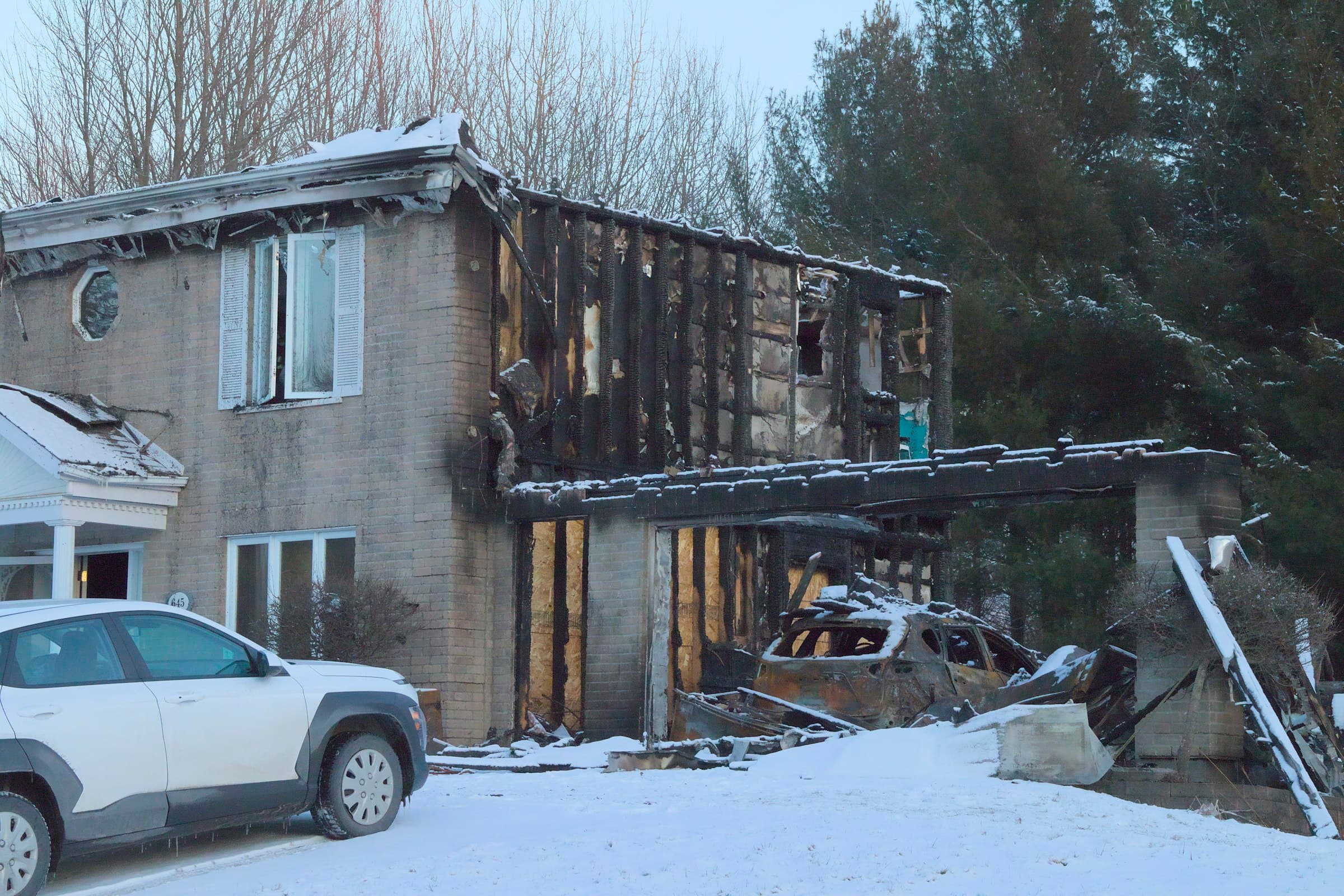
Heat warps doors, cracks glass, and blisters paint well past the burn. Charred framing may no longer carry its load safely. These are structural clues, not just cosmetic ones. An assessment tells you what has to be rebuilt.
Why us
Why Wasilla Homeowners Call Ember & Tide After a Fire
Recovering from a fire is stressful, and the right crew eases it. A few things set apart how Ember & Tide handles a fire loss in the valley.
We Match Cleaning to the Soot Type
Fires leave dry, greasy, or protein-based soot, and each cleans differently. We identify the residue before we touch a surface. The wrong method smears soot deeper instead of lifting it.
Fire and Firefighting Water in One Response
The water from the hoses is its own emergency after a fire. Our crew extracts and dries it while we clean the soot. You never chase a second company for the water damage.
Odor Killed at the Source
Smoke odor hides in framing, insulation, and ductwork. We use source treatment, not a spray that fades in a week. The smell stays gone after our crew leaves.
Board-Up Through Rebuild, One Crew
We secure the home, clean it, and then rebuild it. The same Wasilla team carries every stage of the work. Nothing stalls while you wait on an outside contractor.
We Save What Others Would Gut
Many crews tear out what patient cleaning could save. We test surfaces and contents before writing them off. Saving more of your home also lowers the claim.
We Read Smoke, Not Just Flames
Smoke damage reaches rooms the fire never touched. We trace how it traveled through the home and ducts. That keeps hidden soot and odor from being missed.
Coverage
Where We Respond to Fire Losses
A fire needs a fast local response, not a crew driving in from far away. We handle fire and smoke damage across Wasilla and the wider Mat-Su Valley.
Our crews reach fire losses in Wasilla, Palmer, and the homes between them. We respond in Houston, Big Lake, and out toward Butte across the valley. Woodstove-heated cabins on rural roads get the same fast response. When a larger loss calls for it, we also serve the greater Anchorage area. Being valley-based means we start securing your home sooner after a fire.
Common questions
Fire Remediation FAQ
Homeowners ask us the same questions after a fire. Here are straight answers about soot, odor, water, and insurance.
Is smoke and soot damage dangerous?
Yes, soot is acidic and can irritate skin and lungs. It also keeps damaging surfaces the longer it sits. Professional cleanup protects both your home and your health.
How soon should fire cleanup start?
As soon as the home is safe to enter. Soot and water do more damage with every passing hour. A fast start saves more of your Wasilla home. Waiting often means replacing what could have been cleaned.
Can you remove smoke odor completely?
Yes, we treat the odor at its source in materials and air. We use thermal fogging, hydroxyl, or ozone depending on the fire. Masking the smell with fragrance only hides it for a while. We work until the home smells clean again.
Does insurance cover fire damage?
Fire damage is typically a covered loss on a homeowner policy. We document the damage so your claim reflects it fully. We also coordinate with your adjuster through the work. Good documentation helps your claim move without delay.
What about the water from the fire hoses?
Firefighting leaves water that must be extracted and dried. Left alone, it invites mold in a cold Wasilla home. Our crew handles the fire and the water together.
Can you rebuild my home after the fire?
Yes, our in-house crew rebuilds once the home is clean and dry. We restore drywall, flooring, and finishes to match. You deal with one team from cleanup through rebuild.
Do you handle small fires too?
Yes, even a small fire leaves soot and odor behind. We clean and deodorize so the damage does not linger. No fire loss is too small to address properly.
After a Fire, Call the Crew That Cleans and Rebuilds — Ember & Tide
A fire leaves a lot behind, and you should not face it alone. Ember & Tide secures, cleans, deodorizes, and rebuilds homes across Wasilla and the Mat-Su Valley. We stay with your home from the first board-up to the final finish.
We also handle full reconstruction and other restoration services after any loss.