Our process
How We Dry Out a Water-Damaged Home
A dry-out is won in the first hours and the metered days that follow. Here is how our Wasilla crew handles a water loss from the first call.
Stop the Source
We find and stop the water before any drying starts. That may be a burst pipe, a frozen well line, or a roof leak. Nothing dries while water is still coming in. Stopping the source is always the first move.
Assess and Categorize the Water
We map how far the water traveled and how clean it is. Water is graded from clean to gray to black by contamination. That category decides what can be dried and what must go. Contaminated water changes how we protect your family.
Extract the Standing Water
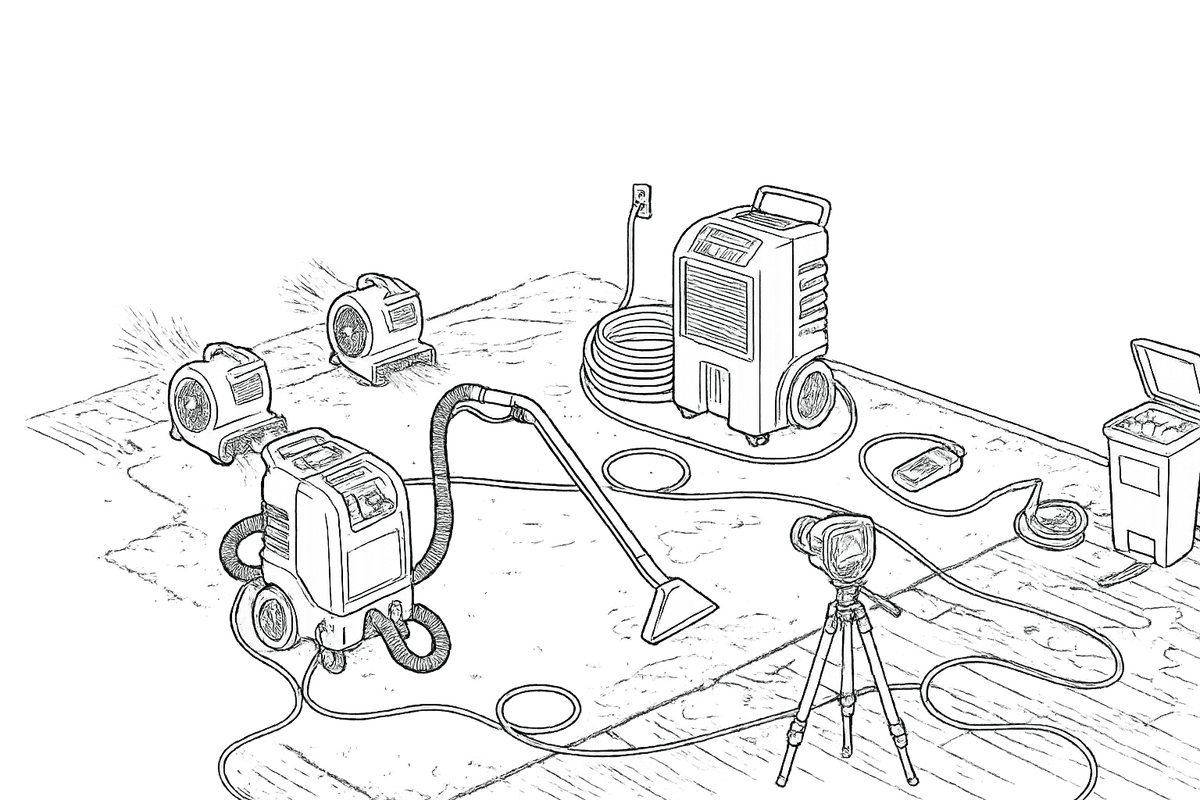
We pump and vacuum the standing water fast. Pulling that mass out first lets the structure actually begin drying. Wet carpet and pad are lifted so the floor can breathe. The faster the water is gone, the more we save.
Remove Unsalvageable Material
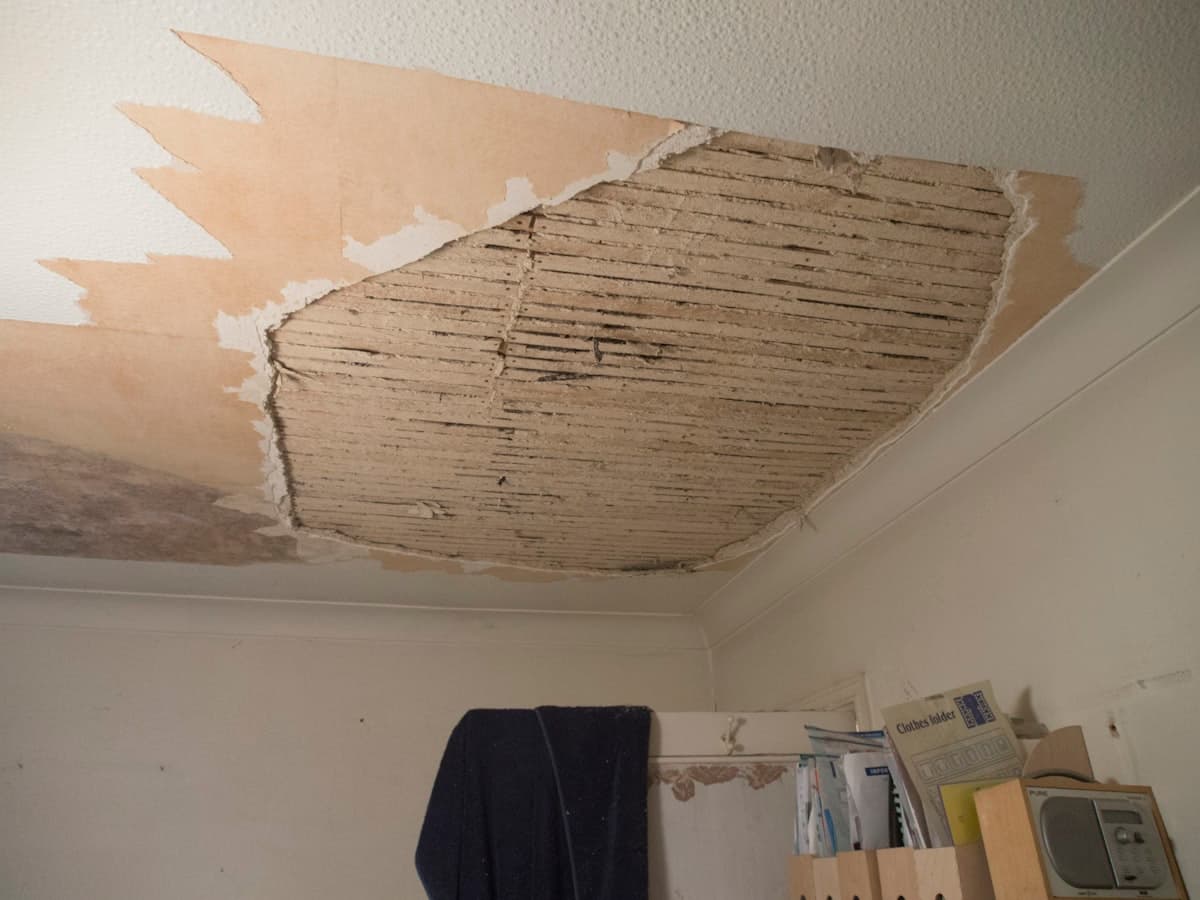
Soaked drywall, insulation, and pad often cannot be dried in place. We remove what will not recover and bag it. Cutting the wet material saves the framing behind it. We remove only what truly cannot be dried.
Set Air Movers and Dehumidifiers
We place air movers and low-grain dehumidifiers around the wet area. Cold Wasilla air dries slowly, so the equipment is matched to it. The right setup pulls moisture out of framing and cavities. We position the gear where the moisture actually sits.
Monitor the Moisture Daily
We meter the framing and subfloor every day of the dry-out. Drying is done when the readings hit a safe target, not before. Guesswork here is what leaves homes damp enough to grow mold.
Restore the Repaired Areas
Once the numbers read dry, our own crew rebuilds. We replace drywall, flooring, and trim that had to come out. Your Wasilla home goes from wet to whole with one team. Nothing waits on an outside contractor to finish.
What we handle
Water Mitigation Services We Provide
Water damage comes from many sources and needs different handling. We cover the full range for valley homes.
Water Extraction and Cleanup
We remove standing water fast with pumps and extractors. The sooner the water is gone, the less it soaks in. Quick extraction saves flooring and framing. Every hour of standing water raises the damage.
Structural Drying
We dry the framing, subfloor, and wall cavities to a metered target. Air movers and dehumidifiers do the work over several days. A truly dry structure is what stops mold. We keep drying until the meter agrees.
Frozen Pipe and Well-Line Damage
A frozen line can cut your water, then split and flood a home. We handle the water damage those valley failures leave. Pump houses and well lines are familiar territory for us. We trace the loss back to the line that failed.
Sewage and Contaminated Water
A sewage backup brings bacteria and category-three water indoors. We extract it, disinfect the area, and dry the structure. This is never a safe do-it-yourself cleanup. Category-three water is a real health hazard.
Crawl Space Water Removal
Lake-country crawl spaces trap water against the framing. We pump and dry these low Wasilla spaces directly. Drying the crawl space protects the floor above it. Standing crawl-space water feeds mold if left alone.
Mold Prevention and Reconstruction
Fast drying is the real defense against mold after water. We dry the structure before mold has a chance to start. Our own crew then rebuilds what the water damaged. Drying fast is cheaper than remediating mold later.
Common causes
What Causes Water Damage in Mat-Su Homes
Valley homes take on water in a few predictable ways. Knowing the source helps us stop it and prevent the next one.
Frozen Well and Supply Lines
Deep cold can freeze a well line or a shallow supply pipe. The line splits, and a thaw floods the home fast. This is one of the most common valley water losses. A hard cold snap is when we see the most.
Ice Dams and Roof Leaks
Snow melt refreezes at the eaves and forms an ice dam. Water backs up under the shingles and into the walls. A slow ceiling stain often traces back to one. Ice dams are a recurring valley winter problem.
Crawl Space and Spring Breakup Water
Spring breakup raises the water table across the valley. Groundwater seeps into crawl spaces and against framing. Lake-area homes see this most in the thaw. Rising groundwater finds the lowest point in a home.
Appliance and Plumbing Failures
Water heaters, washers, and supply lines fail without warning. A small leak can run for days before it shows. By then the subfloor and walls are already wet. A hidden appliance line is a common culprit.
Warning signs
Signs Your Home Has Water Damage
Water damage often hides until it has already spread. These signs mean a Wasilla home needs a professional look.
No Water, Then a Sudden Flood
A frozen line can stop your water, then burst and flood. Many Wasilla homes lose water in a cold snap and flood on the thaw. That pattern is a classic valley water loss. If your water quit in the cold, watch for it.
A Damp or Musty Crawl Space
Lake-area crawl spaces hold groundwater against the framing. A musty smell down there usually means moisture and early mold. That damp air rises into the home above. The crawl space is where valley water problems hide.
A Water Meter Ticking With the Taps Off
If your meter creeps with every faucet closed, a hidden line is leaking. Pipes in cold Wasilla walls can weep for days unseen. That quiet loss soaks the framing before a stain ever shows. Catching it on the meter saves the wall.
Frost, Ice, or Sweating on Interior Walls
Trapped moisture shows up as frost or sweating on cold valley walls. Ice inside a wall is water waiting to thaw and spread. That sign points to a leak or a condensation problem. Either way, the moisture has to be found and dried.
Why us
Why Wasilla Homeowners Call Ember & Tide for Water Damage
A dry-out is only finished when the moisture is actually gone. A few things set apart how Ember & Tide handles a water loss in the valley.
We Dry to a Number, Not a Guess
We meter the framing and subfloor until readings hit a safe target. A home that feels dry can still be wet inside. The meter, not a hunch, tells us when to stop.
Drying Gear Sized for Cold Air
Cold valley air holds and releases moisture differently. We match dehumidifier type and count to those conditions. That keeps a Wasilla dry-out from stalling in the cold.
Fluent in Wells and Pump Houses
Many valley losses start at a frozen well line or pump house. We trace the failure to the source, not just the wet wall. Those rural systems are familiar ground for us.
A Fast, Local Response
Every hour of standing water does more damage. Our crew is based in the valley and rolls quickly. A fast start saves more of your Wasilla home.
Mitigation Through Rebuild in One Crew
The same team that dries your home rebuilds it. Nothing waits on a separate contractor to finish. One crew carries the job from wet to restored.
Straightforward Insurance Support
We document the loss and work with your carrier and adjuster. You get an honest scope, not a mystery invoice. Clear paperwork helps your claim move without delay.
Coverage
Where We Respond to Water Losses
A water loss needs a fast local crew, not a long wait. We handle water mitigation across Wasilla and the wider Mat-Su Valley.
We dry out homes in Wasilla near Wasilla, Lucille, and Cottonwood lakes. Our crews reach Palmer, Houston, Big Lake, and out toward Butte. Homes on wells and septic get particular attention here. When a loss calls for it, we also serve the greater Anchorage area. Wherever the water is, a valley-based crew can start the dry-out sooner.
Common questions
Water Mitigation FAQ
Homeowners ask us the same questions after a water loss. Here are straight answers about drying, mold, and insurance.
How fast does water need to be dried?
As fast as possible, since mold can start within a day or two. The EPA notes mold grows on wet materials in twenty-four to forty-eight hours. Quick extraction and drying are the real defense.
Do you have to tear out my drywall and flooring?
Not always, since some materials dry in place with the right setup. We remove only what cannot be dried to a safe standard. Metering tells us what can be saved.
Is water damage covered by insurance?
Sudden pipe bursts are often covered, while slow leaks may not be. We document the loss so your Wasilla adjuster has what they need. Coverage depends on the cause of the water.
How do you keep mold from growing?
Speed and metered drying are the defense against mold. We dry the framing fully before it has a chance to grow. A dry structure is one mold cannot use.
Do you handle frozen pipe and well-line damage?
Yes, frozen lines are one of the most common valley calls. We handle the water damage and the source together. Pump houses and well lines are familiar to our crew.
Do you dry crawl spaces and basements?
Yes, we pump and dry crawl spaces, basements, and slabs alike. Those low valley spaces hold water and need direct drying. Drying them protects the floors above.
Can you rebuild after the dry-out?
Yes, our in-house crew rebuilds once the home reads dry. We replace drywall, flooring, and trim that came out. You deal with one Wasilla team from extraction to rebuild.
Water Spreading Right Now? — Call Ember & Tide
The first hours decide how much of your home you keep. Ember & Tide extracts, dries, and monitors water-damaged homes across Wasilla and the Mat-Su Valley. We stay until the moisture meter reads dry and the repairs are done.
We also handle mold remediation and full reconstruction after a water loss.