Our process
How We Remediate Mold in Your Home
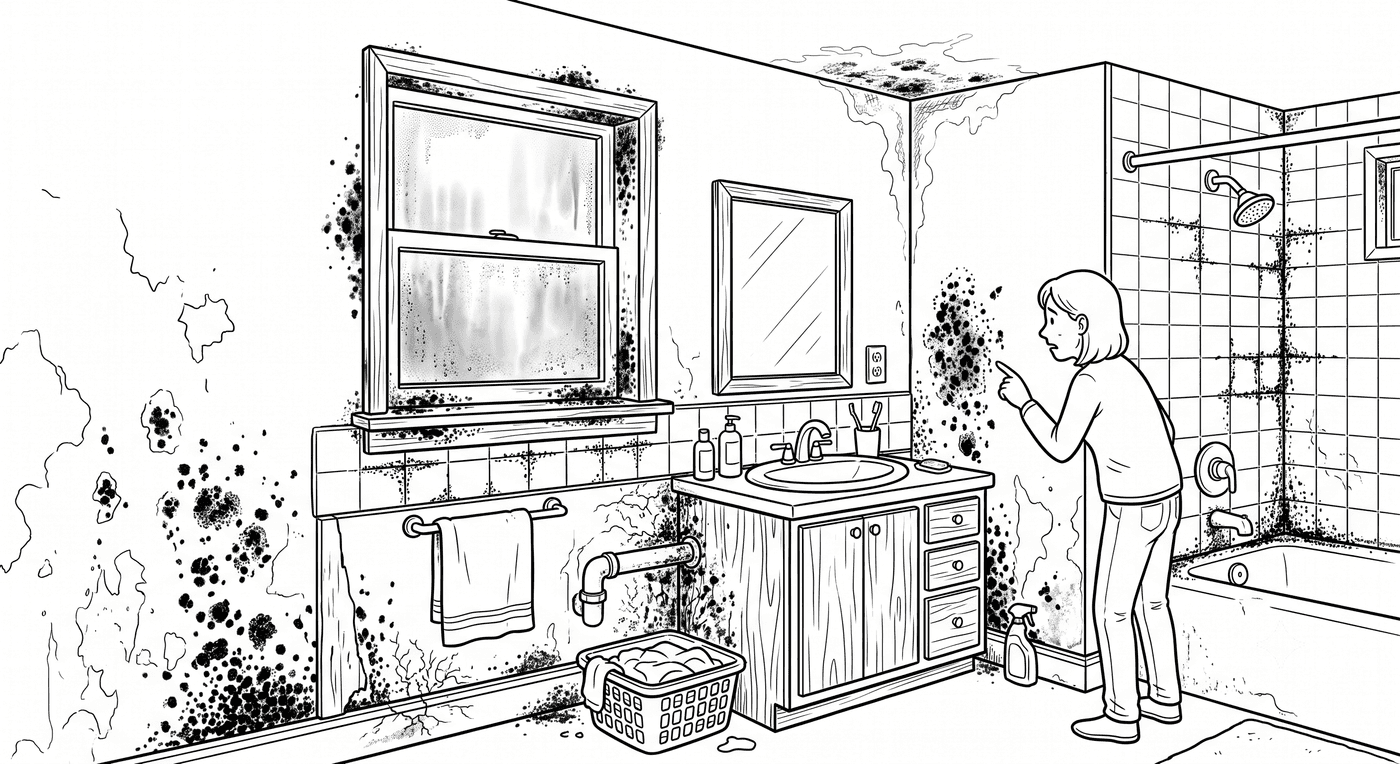
Real mold work fixes the moisture, not just the stain on the wall. Here is how our Wasilla crew removes mold and keeps it from returning.
Inspect and Find the Moisture
We inspect the home and trace the moisture feeding the mold. A meter finds damp framing and hidden wet spots. Finding the source is what keeps the mold from coming back. We map both the mold and the moisture behind it.
Contain the Work Area
We seal off the affected area before any removal starts. Containment keeps spores from spreading to clean rooms. It protects the rest of your Wasilla home during the work. We seal openings and control entry to the area.
Set Negative Air and HEPA Filtration
We run negative air machines with HEPA filters in the containment. That captures airborne spores instead of scattering them. Clean air handling is what separates real remediation from surface cleaning. The pressure difference keeps spores inside the contained area.
Remove Mold-Damaged Materials
Porous materials like drywall and insulation hold mold deep inside. We remove what cannot be cleaned and bag it safely. Non-porous surfaces are cleaned rather than torn out. That keeps the demolition to only what is necessary.
HEPA Clean and Treat Surfaces
We HEPA vacuum and wipe the remaining surfaces. An antimicrobial treatment addresses what is left behind. The goal is a clean surface, not a painted-over stain. Painting over mold hides it without solving it.
Fix the Moisture Source
We repair the leak, drainage, or humidity feeding the mold. The EPA notes mold returns wherever moisture stays. Fixing the source is the step cheaper crews skip. Without it, the mold is back within weeks.
Dry the Structure
We dry the framing and cavities to a metered target. The EPA advises keeping indoor humidity below sixty percent. A dry structure is a structure mold cannot use. We meter the framing until it reads truly dry.
Verify and Restore
We confirm the area is clean and dry before we rebuild. Our own crew restores the drywall, paint, and finishes. Your Wasilla home comes back whole, not patched around mold. One team carries the job from removal to rebuild.
What we handle
Mold Services We Provide
Mold shows up in different places and needs different handling. We cover the full range across the valley.
Mold Inspection and Assessment
We inspect the home and find where mold is growing. We trace the moisture and map the extent of the problem. That assessment shapes an honest remediation plan. You learn what is really going on before any demolition.
Mold Removal and Remediation
We contain, remove, and treat mold to a clean standard. The work follows a real containment and air-handling process. We do not just wipe a surface and call it done. Each step is aimed at a lasting result.
Crawl Space Mold
Mat-Su crawl spaces trap groundwater and damp air against framing. That makes them a common home for mold in the valley. We remediate the crawl space and address the moisture below. A vapor barrier or drainage fix often follows.
Attic and Ceiling Mold
Poor ventilation and roof leaks grow mold up in the attic. We remove it and correct the moisture or airflow behind it. Catching attic mold early protects the roof structure. Left alone, attic mold can spread to the sheathing.
Black Mold Remediation
Dark, established mold needs careful containment and removal. We handle it with the same air-handling and disposal steps. Testing can confirm the area is clean afterward. Established growth is not something to disturb yourself.
Moisture and Water Damage Repair
Mold follows water, so we fix the water problem too. We dry the structure and repair the source of the moisture. Water and mold damage are handled by the same crew. Solving the water problem is what keeps mold gone.
Common causes
What Causes Mold in Mat-Su Homes
Mold needs moisture, and valley homes offer it in a few ways. Knowing the cause is how we keep the mold from returning.
Damp Crawl Spaces
Many Wasilla homes sit over crawl spaces near lakes and high groundwater. That damp air rises into the framing and floors. Crawl spaces are one of the most common mold sources here. Sealing and drying the crawl space is often the real fix.
Winter Condensation in Tight Homes
Homes sealed tight for a Mat-Su winter trap indoor moisture. Warm, damp air meets cold surfaces and condenses. That condensation feeds mold in walls and corners. Tight, energy-efficient homes can trap that moisture.
Leaks and Water Damage
A roof leak, burst pipe, or old spill leaves materials wet. The EPA notes mold can start within twenty-four to forty-eight hours. Unaddressed water almost always leads to mold. That is why fast drying after a leak matters.
Poor Ventilation
Bathrooms, kitchens, and attics build humidity without good airflow. Trapped moisture settles on surfaces and grows mold. Better ventilation is often part of the fix. Exhaust fans and airflow go a long way here.
Warning signs
Signs Your Home Needs Mold Remediation
Mold is not always visible, so the signs can be subtle. These clues mean a Wasilla home should be inspected.
A Musty Smell Rising From the Crawl Space
In valley homes, a musty odor often drifts up from the crawl space. That space traps groundwater and damp air against the framing. The smell is a sign moisture is feeding mold below the floor. Your nose usually catches it before any growth shows.
Dark Spots on Cold Exterior Walls
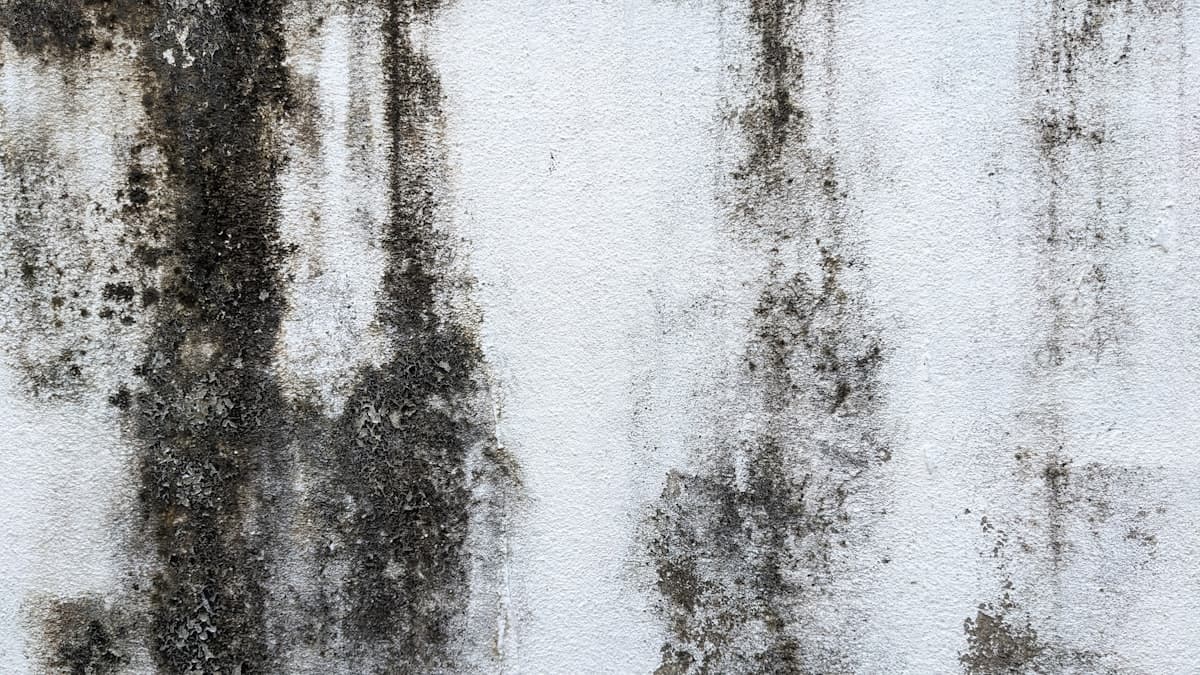
Tight winter homes sweat where warm air hits cold exterior walls. Black or green spots in those corners point to condensation mold. The growth follows the cold line along the wall. What shows on the surface is often smaller than what hides behind it.
Mold After a Frozen Pipe or Ice-Dam Leak
Valley water losses from frozen lines and ice dams often go partly dry. Any moisture left in the wall grows mold within days. A stain that returns after a past leak is a warning. Hidden mold from an old freeze is a common valley surprise.
Symptoms That Ease When You Leave Home
Mold can trigger congestion, irritation, and breathing issues indoors. Symptoms that fade once you leave the house are a red flag. That pattern points to something in the air at home. Testing can confirm whether mold is the cause.
Why us
Why Wasilla Homeowners Trust Ember & Tide With Mold
Mold work is only as good as the moisture fix behind it. A few things set apart how Ember & Tide handles mold in the valley.
We Fix the Moisture, Not Just the Stain
We trace and repair the moisture feeding the mold. Cleaning the surface alone lets mold grow right back. Fixing the source is what makes the work last.
Real Containment and Air Handling
We use containment and HEPA-filtered negative air on every job. That keeps spores from spreading through your Wasilla home. It is the difference between remediation and a wipe-down.
Crawl Space and Cold-Climate Know-How
We know the damp crawl spaces and tight winter homes of the valley. Those are where Mat-Su mold usually starts. We treat the conditions, not just the visible growth.
Testing to Confirm the Work
We can verify the area is clean after remediation. That gives you proof, not just our word. Documentation helps with sales, rentals, and health concerns.
One Crew From Removal to Rebuild
The same team removes the mold and rebuilds the space. Nothing waits on a separate contractor to finish. Your Wasilla home stays with one accountable crew.
A Local Mat-Su Team
We are based in the valley, close to Wasilla homes. Being local means a quick inspection and easy follow-up. We know the area's homes and moisture problems firsthand.
Coverage
Where We Remediate Mold
Mold is a local, moisture-driven problem best handled by a local crew. We remediate mold across Wasilla and the wider Mat-Su Valley.
We treat mold in Wasilla homes near Wasilla, Lucille, and Cottonwood lakes. Our crews work in Palmer, Houston, Big Lake, and out toward Butte. Lake-country homes and damp crawl spaces get particular attention here. When a job calls for it, we also serve the greater Anchorage area. Wherever the home sits, we chase the moisture, not just the mold.
Common questions
Mold Remediation FAQ
Homeowners ask us the same questions about mold. Here are straight answers about health, causes, and remediation.
Is black mold dangerous?
Mold can cause congestion, irritation, and breathing problems. Some people react more strongly than others to it. Professional removal protects your home and your health. Children and sensitive people are affected most.
What causes mold in a home?
Mold needs moisture, from leaks, humidity, or a damp crawl space. In the valley, crawl spaces and winter condensation are common. Fixing the moisture is the key to stopping it.
Can I just remove the mold myself?
Small surface spots can sometimes be cleaned. Larger growth needs containment and air handling to do safely. Cleaning without fixing the moisture lets it return. Disturbing mold the wrong way can spread the spores.
Does insurance cover mold remediation?
Coverage depends on the cause of the moisture behind the mold. A sudden covered leak is treated differently than long-term humidity. We document the loss so your claim is clear.
Do you find the moisture source?
Yes, tracing the moisture is the first step in our process. Mold returns wherever the water problem remains. We repair the source as part of the job.
Do you test for mold?
We can test to confirm the area is clean after remediation. Testing gives you documented proof the work is done. That helps with health concerns and property sales.
Can you rebuild after mold removal?
Yes, our in-house crew rebuilds whatever remediation removed. We restore drywall, paint, and finishes to match. You deal with one Wasilla team from removal through rebuild.
Think You Have Mold? — Let Ember & Tide Take a Look
Mold only spreads while you wait, so an early look pays off. Ember & Tide inspects, remediates, and rebuilds mold-affected homes across Wasilla and the Mat-Su Valley. We find the moisture, remove the mold, and make your home healthy again.
We also handle water mitigation and full restoration services when moisture is behind the problem.