Our process
From Board-Up to Repaint in the Anchorage Cold
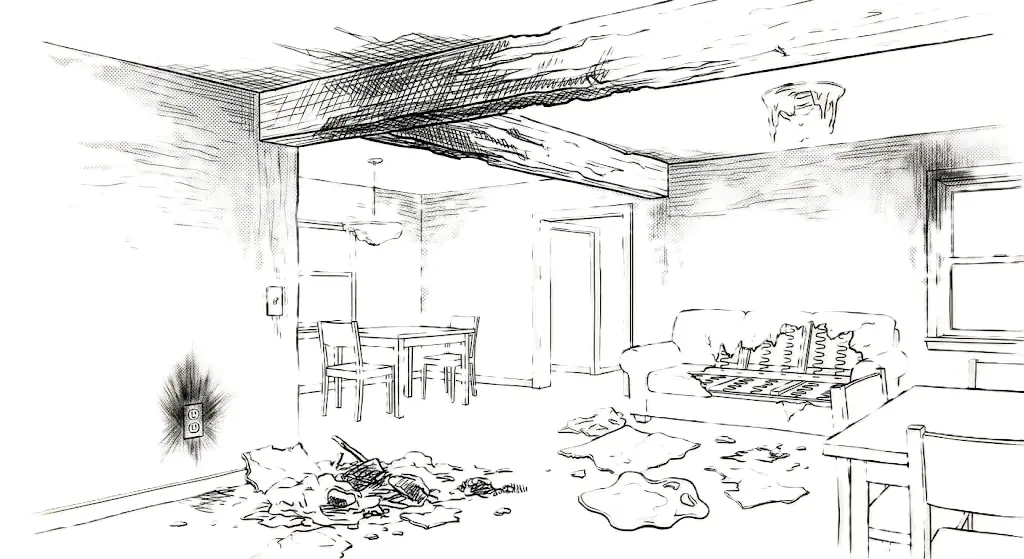
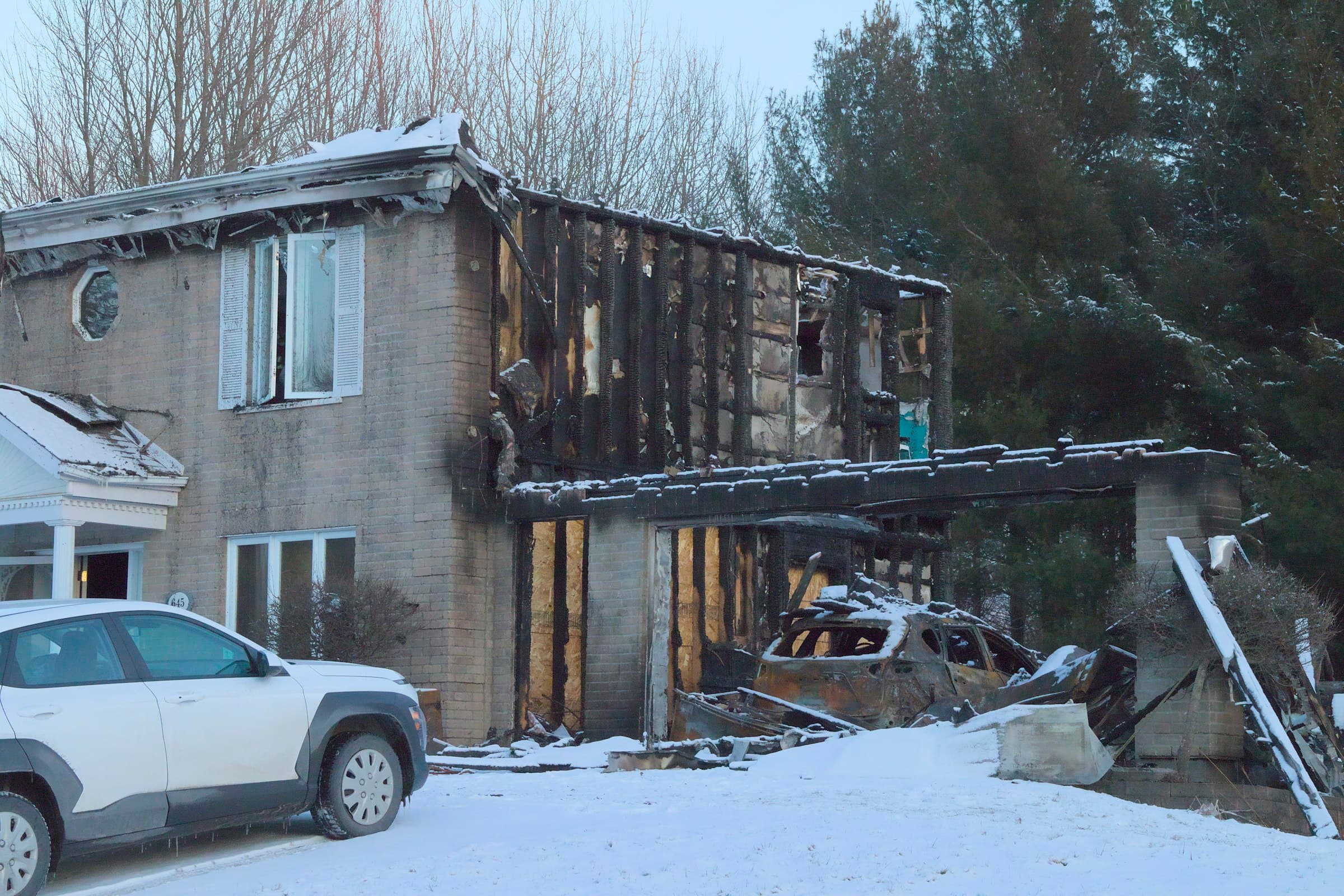
A furnace fire in Anchorage needs a sequence tuned to the cold. Our crew works in this order once the fire department releases the home.
Weatherproof the Breach Before the Cold
We tarp and board the roof, walls, and windows the moment we arrive. That seals sub-zero Anchorage air away from your pipes and framing.
Chart the Soot, Register by Register
We test soot along the Anchorage home's ductwork and heating registers. Those readings tell us which rooms need stripping versus a surface clean.
Neutralize Odor in a Sealed House
We clean the forced-air system so it stops pushing smoke smell around. Sealed Anchorage homes hold odor, so this step runs longer here.
Rebuild With Our Own Anchorage Carpenters
Our in-house team rebuilds the burned structure, from framing to final paint. One Anchorage crew carries the job, so nothing waits on a subcontractor.
Local realities
Why Anchorage Fires Behave Differently
Anchorage runs its heat for much of the year, and that shapes local fire risk.
Furnaces, woodstoves, and space heaters work hard through a long, dark winter. When one fails, flames move fast through a home sealed tight against the cold.
Smoke behaves differently here than in a warmer climate. In a closed-up Anchorage house, soot rides the forced-air system into every room. It settles on walls, ceilings, and contents far from the actual flames. That is how a fire in one Anchorage bedroom can dirty a whole house. Cold surfaces let that soot bond quickly, which makes prompt cleaning matter.
A fire also opens your home to a brutal outside temperature. A burned wall or roof can let sub-zero air reach your pipes within hours. That is why board-up and weatherproofing come first on an Anchorage job. Ember & Tide reaches the Anchorage Bowl from Wasilla by the Glenn Highway, about forty minutes out. Older homes in Turnagain and Spenard, many built after the 1964 quake, need extra care during a rebuild.
Why it matters
Anchorage Fire Risk in the Numbers
A few national and Alaska numbers explain the winter fire threat here.
The National Fire Protection Association reports that heating gear causes one in six home structure fires. Those heating fires also account for about 18 percent of home fire deaths. Nearly half of them, 46 percent, strike between December and February. That window lines up with Anchorage's coldest, darkest stretch.
Alaska carries an even sharper heating-fire risk than most states. A U.S. Fire Administration study found heating led fatal rural residential fires here at 26 percent. Nationwide, heating equipment sparks roughly 37,365 home fires each year, causing 417 deaths and $1.2 billion in damage. For Anchorage homeowners, a long heating season is exactly when to stay alert.
Warning signs
What a Furnace Fire Leaves Behind in Anchorage
Anchorage fires leave clues a warm-climate homeowner would easily miss. After any furnace fire or heavy smoke, look for these local signs.
Oily Puffback Soot Near the Registers
A furnace or boiler puffback sprays fine, oily soot through an Anchorage home. It streaks worst around heating registers and vent covers.
Smoke Odor That Returns With the Furnace
In a sealed Anchorage house, the smell fades until the heat kicks on. Then odor pushes back out of ducts, insulation, and upholstery.
Soot Rings on Cold Window Glass
Winter condensation on Anchorage windows traps soot into gray rings. Those rings show how far the smoke drifted from the burn.
Frozen Firefighting Water in the Cavities
Hose water seeps into your Anchorage subfloor and wall cavities, then freezes. Trapped there, it feeds rot and mold once breakup arrives.
Why us
Why Anchorage Turns to Ember & Tide After a Fire
After an Anchorage fire, the partner you pick shapes the whole recovery. These fire-specific strengths set Ember & Tide apart here.
Soot-to-Studs Recovery on One Crew
We run soot cleanup, odor work, and the rebuild with a single Anchorage crew. Your fire repair never waits between a cleaner and a carpenter.
Board-Up Speed That Outruns the Cold
We roll from Wasilla and seal the burned Anchorage structure fast. That head start stops a fire loss from becoming a frozen-pipe loss too.
Odor Control for Forced-Air Alaska Homes
We treat smoke odor for the tight, furnace-heated homes Anchorage is built on. Our crews chase the smell into ducts, framing, and insulation.
Fire Claim Documentation Done Right
We log soot, char, and contents loss the way an Anchorage adjuster expects. That detail moves your fire claim and funds the rebuild sooner.
Coverage
Anchorage Neighborhoods We Reach for Fire Damage
Fire does not respect a zip code, so we cover the whole Anchorage Bowl. Our crews reach homes from the coast to the Hillside, in every season.
In Turnagain and Bootlegger Cove, we handle older post-quake homes with dense framing. Spenard and Midtown mix apartments and shops where smoke travels between units. On the Hillside and in Rabbit Creek, woodstoves and long driveways shape our response. Government Hill and Mountain View sit close to the rail yard and downtown core. We also serve Sand Lake, Muldoon, Abbott Loop, and Airport Heights, plus Eagle River, Chugiak, and Girdwood.
Common questions
Anchorage Fire Damage FAQ
Anchorage homeowners ask us the same questions after a fire. Here are direct answers about smoke, soot, and the rebuild.
How soon should fire cleanup start in Anchorage?
Start within a day if you safely can, since soot keeps damaging surfaces. Acidic soot can permanently stain countertops and metals within days. Fast board-up also blocks the Anchorage cold from reaching your pipes.
Can you remove smoke odor from a tightly sealed home?
Yes, we treat odor trapped in ducts, insulation, and household contents. That work matters most in sealed Anchorage homes that run heat for months.
Do you handle both the soot cleanup and the rebuild?
Yes, Ember & Tide keeps cleaning and reconstruction on one in-house team. Your Anchorage repair moves straight from soot removal to finished work.
Will you work with my insurance on a fire claim?
We document the soot, structural, and contents loss in careful detail. Then we coordinate with your Anchorage carrier and adjuster on scope.
Do you serve fires in Eagle River, Chugiak, and Girdwood?
Yes, we cover the greater Anchorage area and the Mat-Su Valley. Homes in Eagle River, Chugiak, and Girdwood all fall within our range.
Ready to Rebuild Your Anchorage Home After a Fire?
Smoke and soot do not wait, and neither should your recovery. Our Wasilla crew boards the opening, strips the soot, and clears the odor. Then our own carpenters rebuild the burned rooms to a finished state.
See also: Anchorage water damage restoration, Anchorage mold remediation, and our Anchorage service-area hub.