Anchorage, AK · Answered 24 / 7
Water, Fire & Mold Damage Restoration in Anchorage, AK — Cleanup to Rebuild
A burst pipe, a woodstove fire, or a damp crawl space can each take an Anchorage home out from under a family. Ember & Tide Restoration covers all three from our Mat-Su base in Wasilla — water damage restoration, fire and smoke cleanup, mold removal, and the rebuild that follows. IICRC-certified crews reach most of the Anchorage Bowl in under an hour, and the same team stays from the first call to the last coat of paint.
Local conditions
Restoration built for Anchorage's climate.
Where a city sits decides how its homes get damaged. In Anchorage the freeze drives water losses, the heating season drives fires, and the melt feeds mold — each on its own schedule.
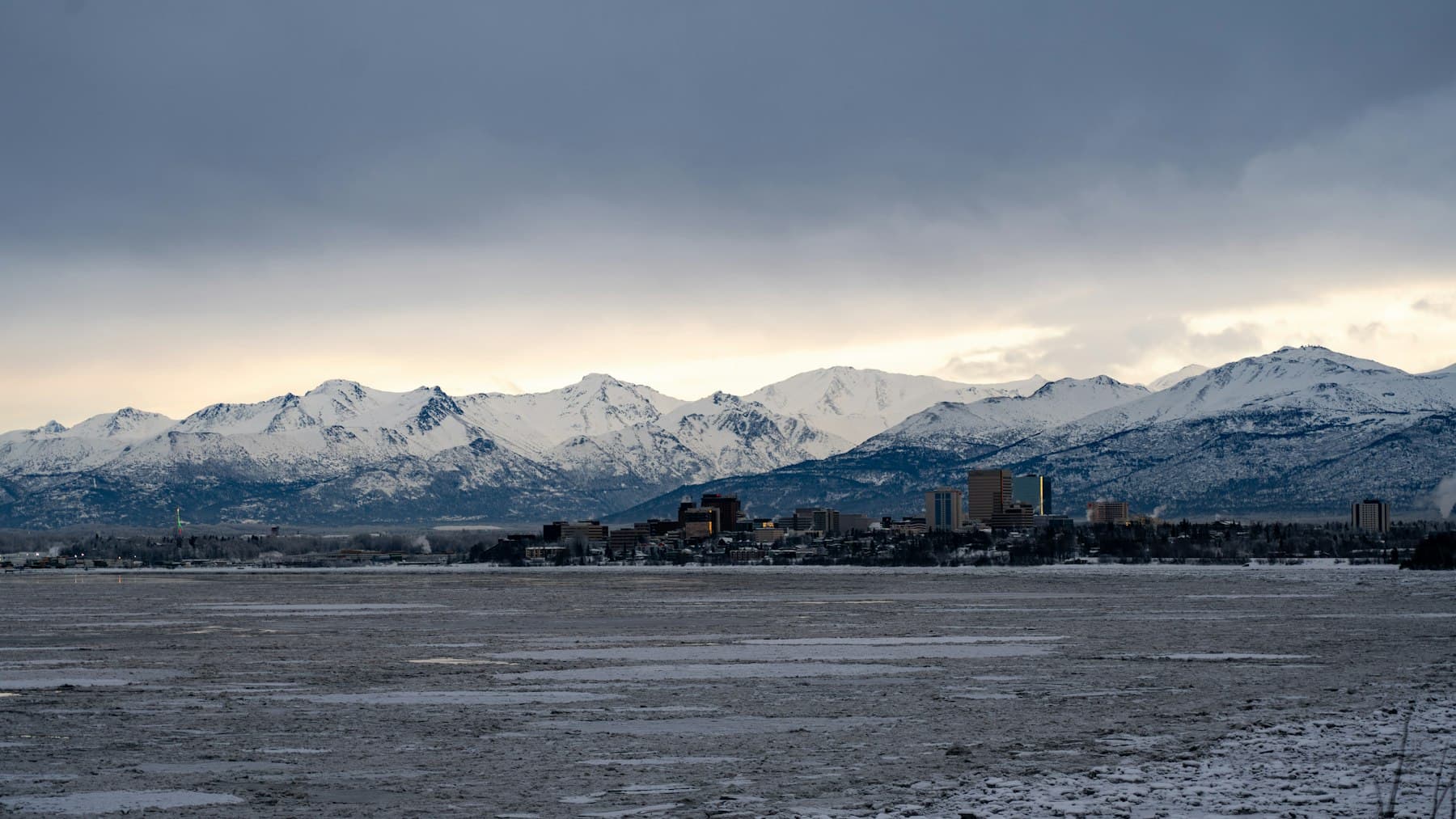
Anchorage sits between the Chugach Mountains and Cook Inlet, in a true subarctic climate, and every kind of property damage here takes its shape from that. Deep winter cold freezes pipes in older homes across Turnagain and Government Hill — many date to the rebuilding years after the 1964 earthquake. When a frozen line splits and thaws, water can run inside a wall for hours before anyone notices.
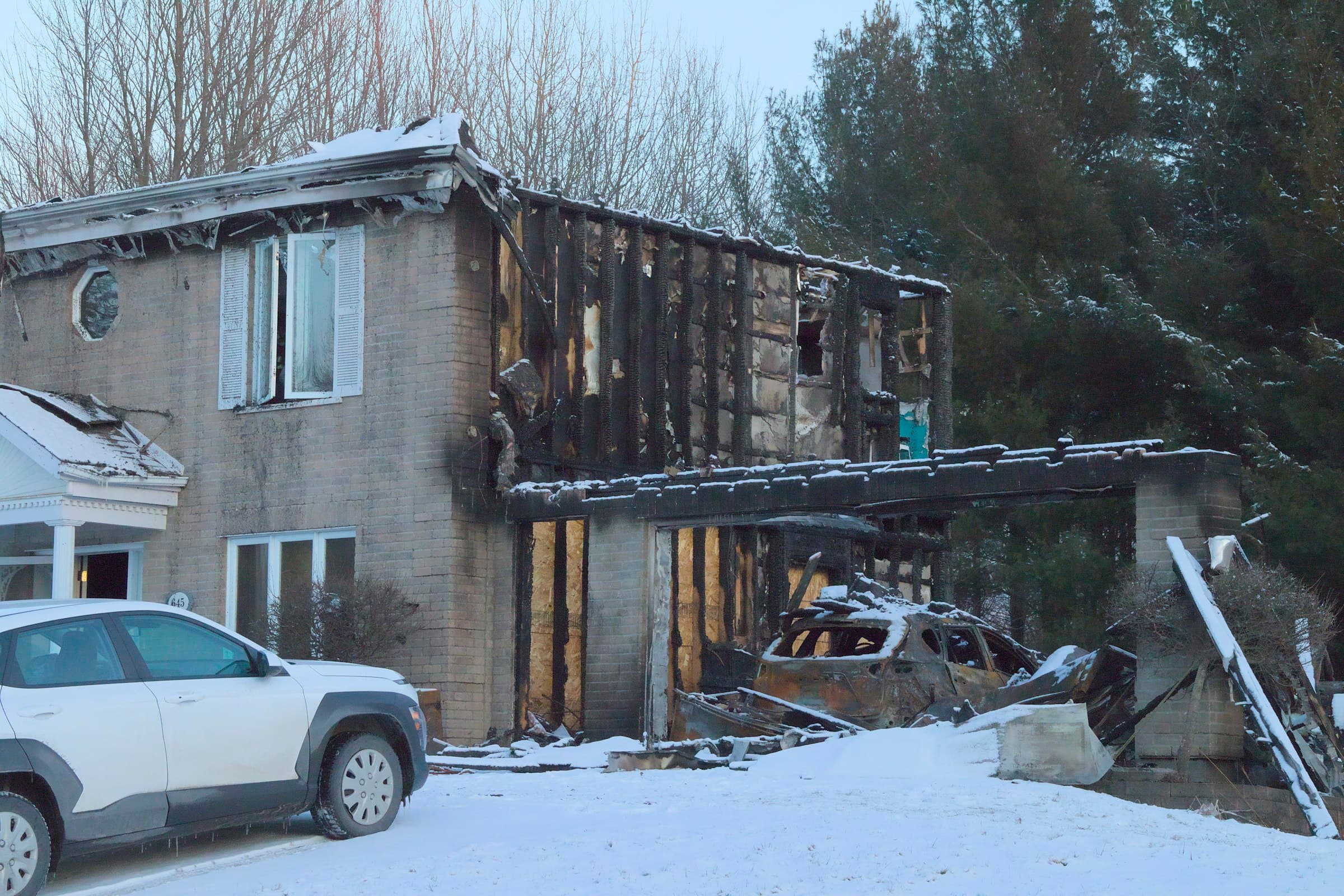
Winter is also fire season in a northern city. Woodstoves, space heaters, and furnaces run for months at a stretch in sealed, dry-aired homes, and a flue fault or an overloaded circuit can turn one room into a soot-blackened loss. The water used to put a fire out then soaks whatever the flames missed, which is why fire recovery here is nearly always water recovery too.
Spring brings the melt locals call breakup. Snowmelt and ice jams push groundwater toward low-lying yards, and neighborhoods near Ship Creek, Chester Creek, and Campbell Creek feel it most — sump pumps strain and crawl spaces take on water. In tight, well-sealed Alaska homes that dampness lingers, and lingering moisture is how hidden mold gets its start. Ember & Tide reaches all of it from Wasilla by the Glenn Highway, a drive of about forty minutes, and we work these same seasonal patterns at home in the valley.
Anchorage Restoration Risks by the Numbers
- 77″
- Average annual snowfall
- 11°F
- Average January low
- Mar–May
- Ice-jam breakup season
- 24–48h
- For mold to start on wet material
National Weather Service
NWS normals, 1991–2020
NWS Alaska River Forecast Center
EPA
A few numbers explain why Anchorage restoration work spans every season. The National Weather Service puts Anchorage's average annual snowfall near 77 inches — enough to load roofs for months and feed the ice dams that leak into ceilings. The average January low at Ted Stevens Anchorage International runs about 11°F, per NWS climate normals for 1991 to 2020, and at those temperatures an unheated pipe can freeze and split overnight.
Fire risk climbs through those same months. The U.S. Fire Administration lists heating equipment among the leading causes of winter home fires nationally, and Anchorage's long heating season keeps stoves and furnaces working harder, longer, than almost anywhere in the country.
Water and mold run on a shorter clock. The EPA notes mold can begin growing on wet materials within 24 to 48 hours — one missed weekend is all a soaked crawl space needs. Each spring, the NWS Alaska River Forecast Center tracks ice-jam breakup flooding from March through May. Together these patterns mean an Anchorage home can face water, fire, and mold exposure in a single year, and fast local response is the common answer to all three.
Facing Water, Fire, or Mold Damage Right Now?
Water wicks through drywall, soot keeps etching surfaces, and mold claims a wet room in a day or two. The sooner the work starts, the more of your Anchorage home you keep. Ember & Tide can send a local crew your way — reach out and tell us what you are seeing on the ground.
Our process
How we handle an Anchorage restoration.
Every Anchorage job follows the same clear path from the first call to completion — whether the loss is water, fire, or mold. Here is how our crew moves.
Rapid Response From Wasilla
We stage crews and equipment at our Mat-Su base near Wasilla. When Anchorage calls, we load the Glenn Highway and reach most of the Bowl in under an hour — for a flood, a fire, or a mold find alike.
Secure It and Stop the Loss
First we stop the damage at its source: shut off the failed pipe, tarp the roof, board up openings after a fire. Then we map how far the loss has traveled, since Anchorage crawl spaces and slab floors hide both moisture and smoke residue well.
Mitigate to a Measured Standard
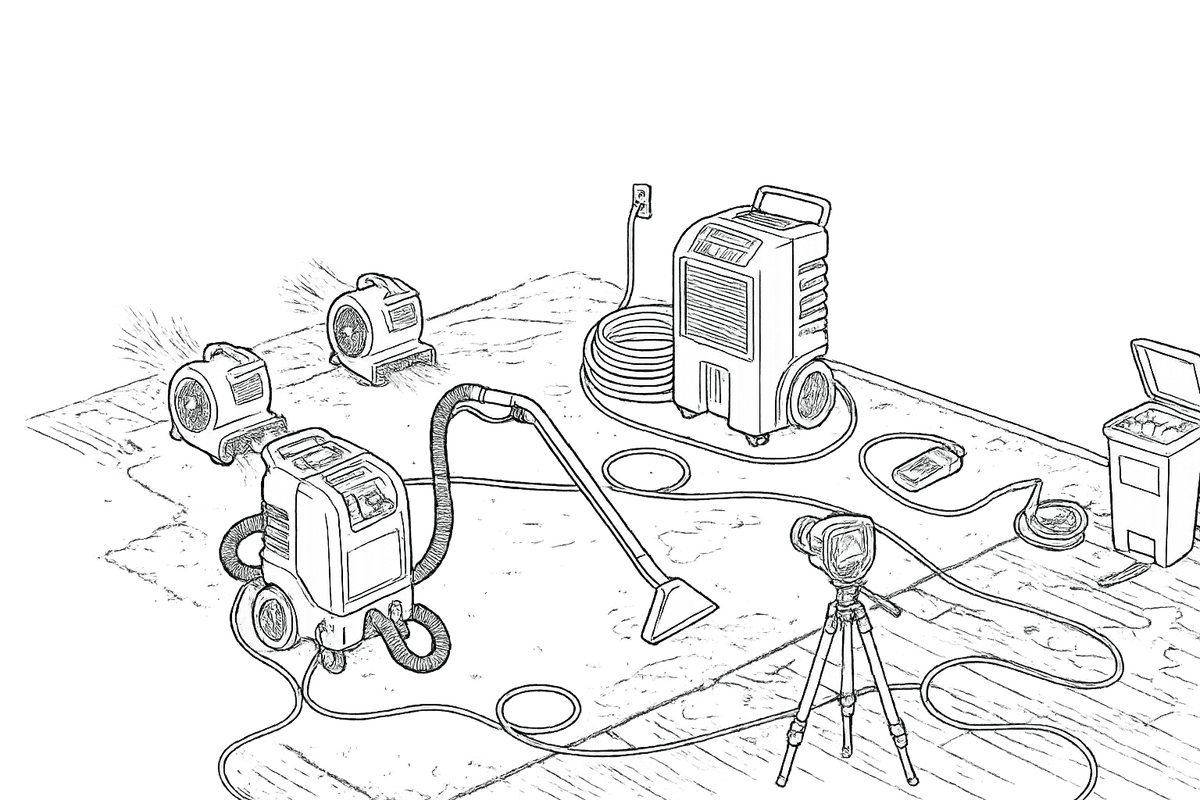
We extract water, clean soot by surface type, and contain mold behind sealed barriers with HEPA-filtered air. Drying gear is sized for cold, tight Alaska homes, and our techs track readings daily until the structure is verifiably dry and clean — not just dry to the eye.
Repair and Rebuild In-House
Once the structure is clean and dry, our own reconstruction team restores drywall, flooring, and trim. Keeping the rebuild in-house means one Anchorage project, one crew, and no handoff gaps.
Warning signs
Signs your Anchorage home needs help.
Anchorage homes rarely announce their damage until it runs deep. After a hard freeze, a stove fire, or the spring breakup, our Bowl crews watch for these specific clues.
A Pipe Froze and Then Started Dripping
A frozen line often splits without warning during an Anchorage cold snap. Once it thaws, water may appear under sinks, inside walls, or across the ceiling below.
Ceiling Stains Below the Roofline
Brown rings near the eaves usually point to an ice dam overhead. In Anchorage that meltwater can soak insulation long before the drip shows.
A Musty Smell or a Damp Crawl Space
Spring breakup pushes groundwater into low Anchorage crawl spaces and basements. A damp, earthy odor usually means moisture and early mold growth are already present — worth an inspection before it spreads.
Soot Film or Smoke Odor That Lingers
After a woodstove backdraft or kitchen fire, a gray film on walls and a smell that outlasts the airing-out point to real smoke damage. Soot is acidic and keeps etching surfaces until it is properly cleaned.
Why us
Why Anchorage homeowners call Ember & Tide.
Anchorage homeowners have several restoration firms they could call. A few real strengths set Ember & Tide apart for this market.
Cleanup to Rebuild Under One Roof
We handle the full arc — water extraction, fire cleanup, mold removal, and finished reconstruction. Your Anchorage repair never stalls between a mitigation crew and a separate contractor.
A Crew That Knows the Glenn Highway Run
Our team is based in Wasilla and drives to Anchorage constantly. We plan routes and response times around real Mat-Su traffic, not a map estimate.
IICRC-Certified, Tuned to Alaska
We are an IICRC Certified Firm, and we size drying and cleaning gear for cold, sealed Anchorage homes. Freeze-thaw, breakup, and a months-long heating season move damage differently than a Lower 48 loss — that difference decides how a home truly recovers.
Straight Talk and Insurance Support
We document damage clearly and coordinate directly with your carrier and adjuster. You get an honest scope on what your Anchorage home needs, without upsell pressure.
Coverage
Anchorage neighborhoods we serve.
Ember & Tide covers the full Anchorage Bowl and the communities around it. From downtown to the Hillside, our crews reach homes across the municipality every week.
We restore homes in Downtown and Fairview, Midtown and Spenard, and Turnagain and Bootlegger Cove. We also serve Government Hill and Mountain View, Sand Lake and Bayshore-Klatt, and Muldoon and Russian Jack. Our range covers Abbott Loop and Campbell Park, the Hillside and Rabbit Creek, plus Eagle River, Chugiak, and Girdwood.
Restoring a home outside the Bowl? See our full service areas, including nearby Wasilla.
Common questions
Anchorage restoration FAQ.
Anchorage homeowners tend to ask us the same questions after a loss. Here are straight answers about how our local restoration work runs.
How fast can you reach Anchorage from Wasilla?
Our crews stage in the Mat-Su Valley and take the Glenn Highway south. On most days we reach the Anchorage Bowl in well under an hour.
Do you handle frozen and burst pipe water damage?
Yes, burst pipes are one of the most common calls we get each winter. We stop the leak, extract the water, and dry the structure before mold sets in. Fast drying keeps a small winter leak from becoming a full gut repair.
Can you clean smoke and soot after a house fire?
Yes. We clean soot by surface type, remove smoke odor at its source rather than masking it, and dry the water that firefighting leaves behind. Board-up and structural repairs run through the same crew.
Do you remove mold as well as fix the moisture behind it?
Yes, and the order matters. We trace the moisture to its source, contain the area with sealed barriers and HEPA-filtered air, remove the mold, and then dry the space so it does not come back. Removal without the moisture fix only buys time.
Can one company do both the cleanup and the rebuild?
Yes, Ember & Tide keeps mitigation and reconstruction on one in-house team. Your Anchorage project moves from dry-out to finished repair without a separate contractor.
Will you work with my insurance company?
We document the damage and coordinate directly with your carrier and adjuster. That paperwork support helps your Anchorage claim move without extra delay.
Do you serve Eagle River, Chugiak, and Girdwood?
Yes, we cover the greater Anchorage area along with the Mat-Su Valley. Homes in Eagle River, Chugiak, and Girdwood all fall within our service range.
What we cover
Restoration services for Anchorage.
Anchorage disasters rarely stay in one lane, so we cover the whole recovery. Explore each Anchorage service below, or reach our full service list for the Mat-Su region.
Water Damage Restoration
Burst pipes, ice-dam leaks, and breakup flooding are the losses Anchorage winters are built to cause. We extract standing water, dry the structure to metered readings, and monitor until framing and insulation come back dry. Start with our Anchorage water damage restoration page for local detail.
Fire & Smoke Damage Restoration
A long heating season means woodstove, flue, and space-heater fires. We board up the structure, clean soot by surface type, clear smoke odor at its source, and dry the water the hoses left behind. See how we handle fire damage restoration in Anchorage from first response to rebuild.
Mold Removal & Remediation
Tight, sealed Alaska homes let hidden mold spread behind walls and under floors long before it shows. We find the moisture source, contain the growth, and remove it under HEPA filtration so it stays gone. Our Anchorage mold remediation page covers the full process.
Reconstruction & Rebuild
When damage runs deep, our in-house team rebuilds drywall, floors, cabinets, and roofs — the same crew that handled the cleanup, so nothing waits on an outside contractor. Learn about full reconstruction in Anchorage after a major loss.
Board-Up and Contents Care
We board openings and pack out belongings to protect them during the work. Ask about emergency board-up and contents storage for your home.
Get Your Anchorage Home Back — Call Ember & Tide
When water, fire, or mold hits your Anchorage home, fast action protects it. Ember & Tide Restoration responds around the clock from our Wasilla base nearby. Call us at (907) 418-9111 or reach out through our contact page. One local team will guide your home from the first response to the final repair.