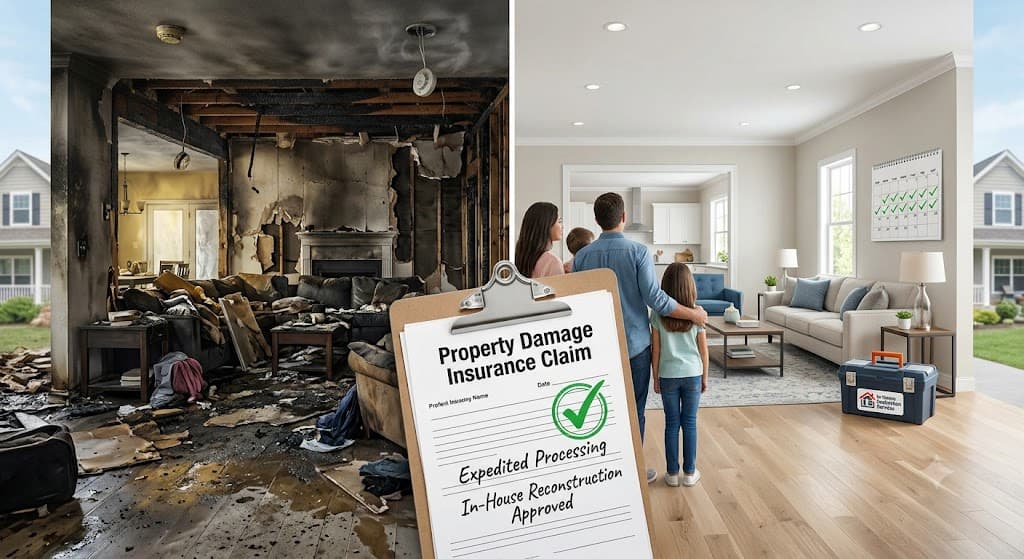
After a house fire, most families expect one hard job and find three. There is the cleanup crew, then the hunt for a contractor, and an insurance adjuster caught in the middle. That gap between the cleanup and the rebuild is where many fire claims stall. Using one crew from fire to finish is how a Wasilla family closes that gap.
Key Takeaways
A gap between cleanup and rebuild is a common cause of claim delays.
One in-house crew gives the adjuster a single, connected scope of work.
Keeping mitigation and reconstruction together speeds your recovery.
How Fire Recovery Usually Gets Fragmented
The standard path splits your recovery into separate hands. One company handles the mitigation, meaning the cleanup and drying. Then you are left to find a general contractor for the actual rebuild.
That handoff is where time slips away. The new contractor has to re-inspect the damage and write a fresh scope. The adjuster now juggles two estimates that may not line up. Every gap between the two is a week your Wasilla home sits unfinished.
Why One Crew From Fire to Finish Speeds the Claim
When the same team cleans and rebuilds, the seams disappear. A few things move faster when reconstruction is in-house.
One Scope, One Estimate
A single crew writes one connected scope from cleanup through rebuild. The adjuster works from one document, not two that must be reconciled. That alignment is what keeps the claim moving.
No Handoff Gap
There is no pause to hunt for a contractor after the cleanup. The crew that dried and cleaned the home starts the rebuild next. Your Mat-Su project never waits between phases.
One Point of Contact
You deal with one team from the first board-up to the last coat of paint. The adjuster does too, which cuts the back-and-forth. Fewer hands mean fewer places for a claim to stall.
Continuous Documentation
The crew that saw the damage firsthand documents the repair. Nothing is lost in translation between two companies. That continuity supports the claim from start to finish.
What "Fire to Finish" Looks Like
A connected recovery follows one unbroken line. It starts with an emergency board-up to secure the home. Then the crew cleans the soot, removes odor, and dries any water from the hoses.
From there the same team makes structural repairs and rebuilds. Drywall, flooring, and finishes are restored to match the home. One crew carries your Wasilla home from the ashes to a finished space. You never re-explain the loss to a new company halfway through.
What This Means for Your Insurance Claim
The federal After a Fire guidance from the USFA urges homeowners to secure the property and contact their insurer early. A connected crew supports both from the first hour. It also keeps your documentation in one place, which usa.gov notes is key to a smooth claim.
A single, well-documented scope gives the adjuster less to question. That usually means fewer disputes and a faster path to approval. The result is a rebuild that starts sooner and finishes cleaner. For a family living through a fire loss, that saved time is what matters most.
Frequently Asked Questions
How long does insurance take to pay out after a fire?
It varies by the carrier, the size of the loss, and the documentation. A clear, single scope of work tends to move a claim faster. Delays often come from gaps or disputes between separate estimates.
What are the stages of a fire insurance claim?
In general, you report the loss, document the damage, and get a scope written. The adjuster reviews it, approves the work, and pays as it is completed. One crew keeps those stages connected rather than fragmented.
What type of damage triggers a restoration claim?
Sudden, accidental damage like fire, smoke, and the water used to fight it. Those losses usually fall under a homeowner policy. Your carrier confirms coverage once the loss is documented. Good documentation from the start is what makes that step simple.
Does one company doing cleanup and rebuild really speed the claim?
Yes, because it removes the handoff and the second scope. The adjuster works from one connected estimate instead of two. That single connected scope is the core reason in-house reconstruction moves a claim faster.
After a Fire, Keep Your Recovery Under One Roof
A fire is hard enough without managing a chain of separate companies. Ember & Tide Restoration handles fire damage reconstruction across Wasilla and the Mat-Su Valley, from cleanup to finished rebuild. Our reconstruction crew picks up right where the fire remediation leaves off. To keep your recovery connected and your claim moving, reach us through our contact page.
More reading
More From the Crew
Water Damage5 min
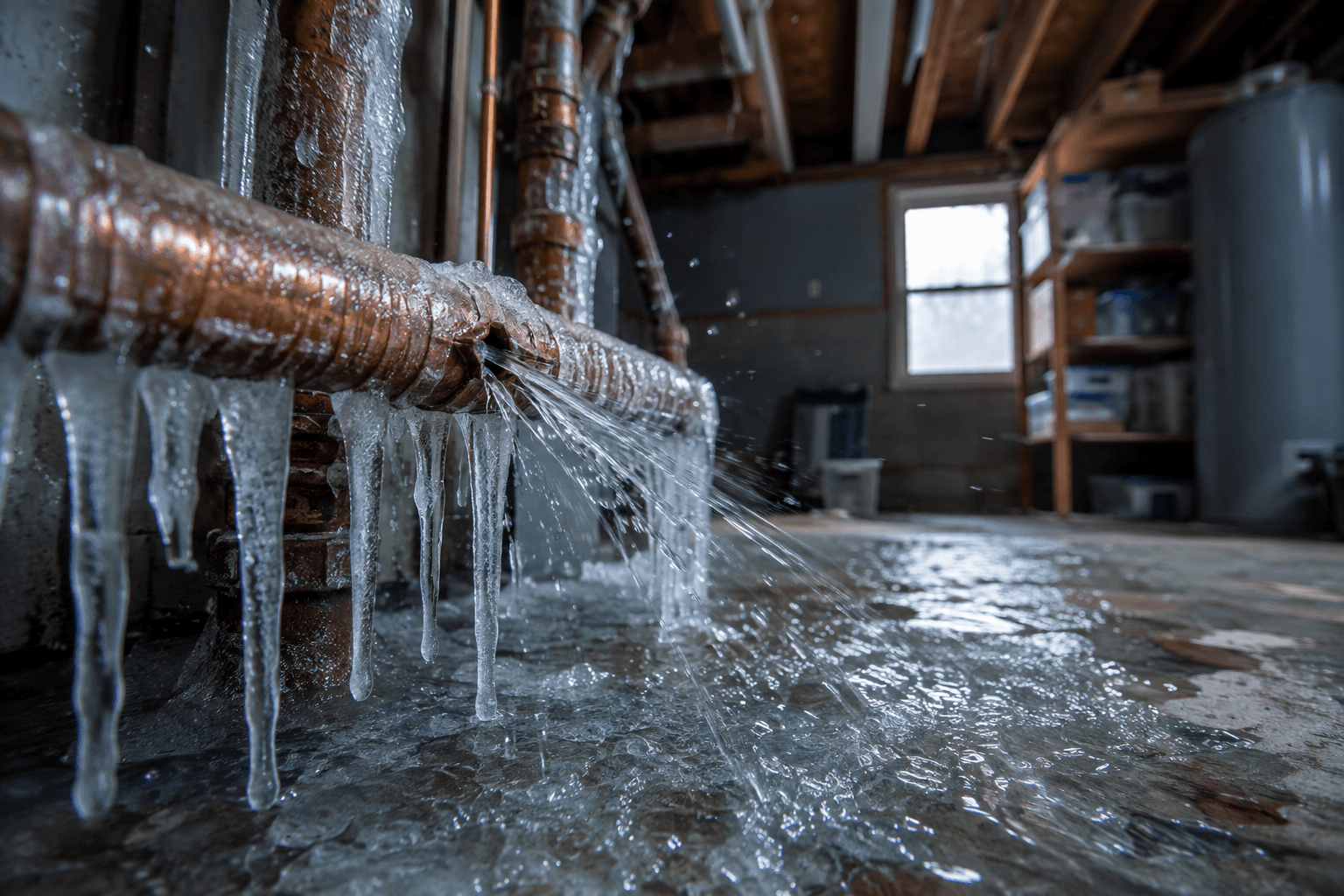
Frozen & Burst Pipes in Alaska: What to Do in the First Hour
A burst pipe can release many gallons in minutes, and mold starts within 24 to 48 hours. Here is exactly what to do, in order, before the crew arrives.
Cost Guide5 min
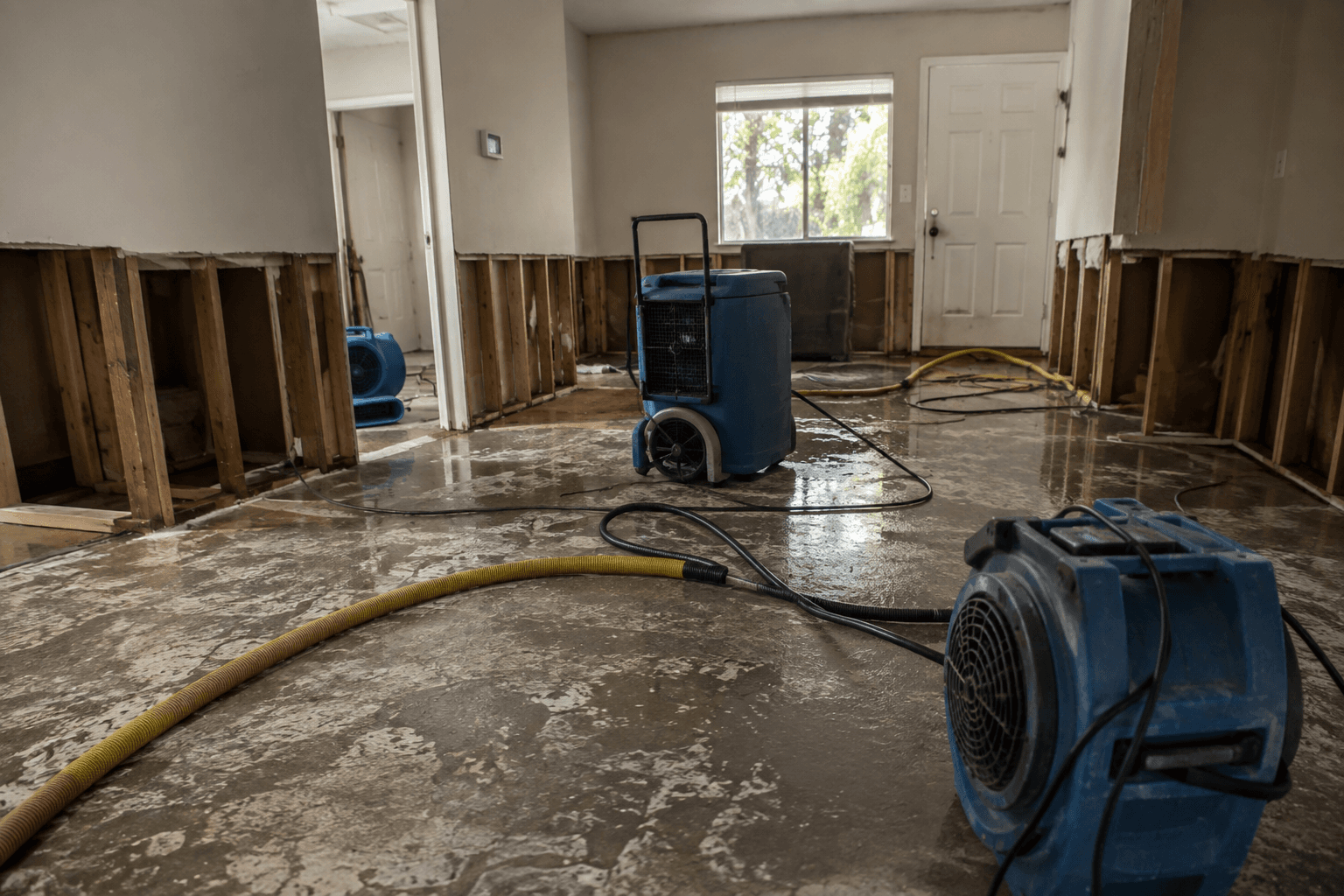
How Much Does Water Damage Restoration Cost in the Mat-Su Valley?
There is no single price, but there are four factors that set it. What drives the cost of a water loss in the valley, what insurance covers, and how acting fast keeps the number down.
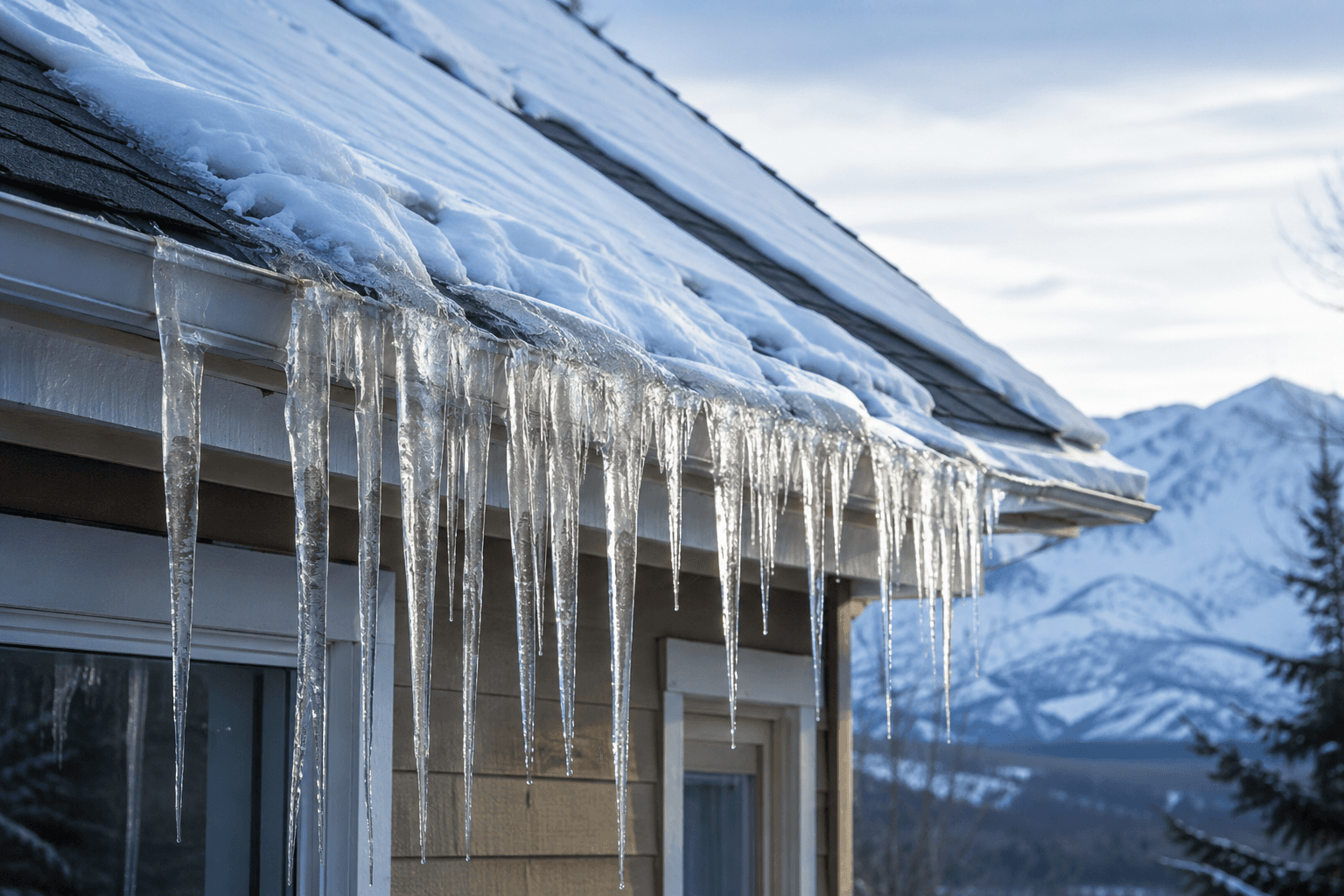
Winter Prevention5 min
Preventing Ice Dams & Roof Leaks Through an Alaska Winter
Thick icicles at the eaves are the warning. How ice dams form on a Mat-Su roof, the four steps that prevent them, and what to do the moment water gets in.